The People Behind the Rise: Inside the Creative Circle Powering Miori Takeda's US Career

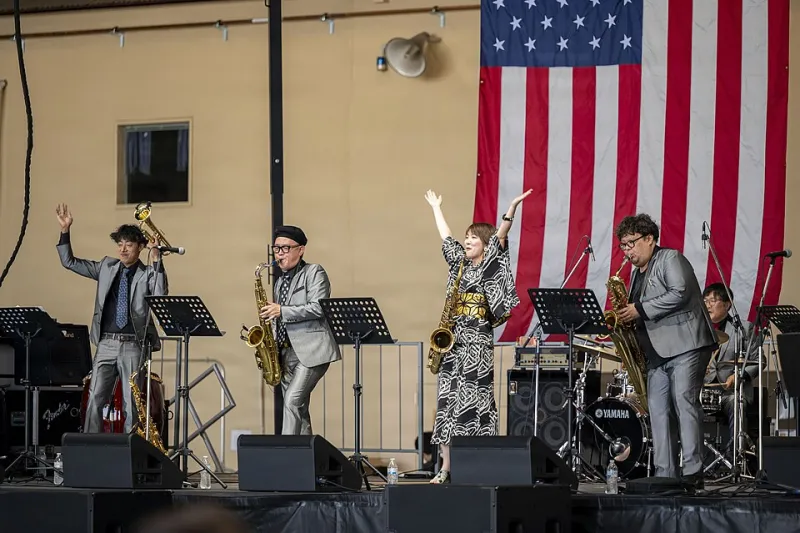
Photo: Autoclavebeats, CC BY-SA 4.0, via Wikimedia Commons
Every time a story gets told about an artist breaking through, the spotlight lands squarely on the artist. That's fair — they're the one on stage, after all. But anyone who's spent time around the entertainment industry knows that breakthroughs are almost never solo acts. Behind every career that gains real traction in a new market, there's a network of people who believed early, opened doors, and helped translate talent into opportunity.
For Miori Takeda, that network has been a defining part of her American story. The collaborators, mentors, and industry figures orbiting her career aren't just support staff — they're co-architects of something genuinely interesting. And for fans who want to understand not just what Miori is doing but how she's doing it, these relationships are worth understanding.
Why Breaking Into the US Market Is So Complicated
Before getting into the specifics of Miori's circle, it helps to appreciate just how difficult the US entertainment market is to crack for Japanese artists. It's not simply a matter of talent — the US industry has its own gatekeepers, its own taste-making infrastructure, and its own set of unwritten rules about how artists are supposed to show up and present themselves.
Language is part of it, but honestly, it's not even the biggest part. Cultural context matters enormously. What reads as compelling and fresh in Japan can land as confusing or inaccessible to American audiences if it isn't framed correctly. Getting that framing right almost always requires people who understand both worlds — who can serve as translators, not just linguistically but culturally.
Miori has been deliberate about surrounding herself with exactly those kinds of people.
The Producers Who Took the Early Bets
Every artist who makes it in a new market can usually point to a handful of producers or executives who saw the potential before the numbers backed it up. For Miori, those early believers came from both sides of the Pacific — Japanese industry veterans who understood her talent and were willing to invest in the infrastructure needed to make a US push viable, and American producers who recognized something in her work that felt genuinely translatable.
What those producers tended to notice first, by most accounts, was her adaptability. In an industry that often tries to fit artists into existing molds, Miori's willingness to experiment — to try new sonic directions, new visual aesthetics, new formats — made her an attractive bet. She wasn't precious about the process, which made collaboration easier and faster.
That flexibility, combined with a strong underlying identity, is the combination producers dream about. It means you can push creative boundaries without the artist losing the thread of who they are.
Cross-Cultural Collaborators: The Bridge Builders
One of the more underappreciated aspects of Miori's US trajectory has been the role of cross-cultural collaborators — artists, writers, and creatives who exist comfortably in both Japanese and American creative spaces. These aren't just translators. They're people who understand the emotional register of both cultures and can help craft work that resonates authentically in each.
For songwriting, this has meant working with collaborators who bring Western pop sensibilities without erasing the elements of Miori's sound that are distinctly her own. For visual content, it's meant working with directors and photographers who understand how to present a Japanese artist to American audiences in a way that feels fresh rather than exoticized.
The distinction matters. There's a long history in American pop culture of packaging Asian artists in ways that lean into stereotypes or treat cultural difference as a novelty. The creative circle around Miori has largely avoided that trap — and that's not an accident. It reflects intentional choices about who to work with and what kind of story to tell.
Mentorship From the Generation Before
Miori has spoken, in various interviews and social content, about the artists and industry figures who influenced her early on — people whose careers she studied and whose approaches to longevity and reinvention she internalized. While she tends to be gracious rather than name-dropping about it, the influence of that mentorship generation is visible in how she carries herself professionally.
What's interesting is that her mentors seem to span both cultures. She draws from Japanese entertainment industry veterans who understand the demands of that system — the discipline, the craft standards, the relationship between artist and audience — and from American artists who've navigated the particular challenges of building a sustained career in the US market. The synthesis of those two schools of thought is part of what makes her approach distinctive.
The Fan Community as a Creative Partner
It would be incomplete to talk about Miori's support network without acknowledging the role her fan community — including the dedicated followers who make up the readership of this very site — has played in her US momentum. Fan engagement in the digital age isn't passive. Fans translate content, create clips, write about artists, and build the kind of organic word-of-mouth that no marketing budget can fully replicate.
Miori has been notably good at treating her fan community as a genuine part of her creative ecosystem rather than just an audience to be managed. That reciprocal relationship has paid dividends in terms of reach and loyalty, particularly in the US where she didn't have the built-in name recognition that comes with years of domestic media exposure.
What the Network Reveals About the Artist
Here's the thing about looking at an artist through the lens of their collaborators and mentors: it tells you a lot about their values and their instincts. The people Miori has chosen to work with — and the people who have chosen to work with her — reflect a shared set of priorities around quality, authenticity, and long-term thinking over quick wins.
That's not the most common approach in an industry that can be brutally short-term focused. But it's the approach that tends to build careers that last. And for fans who've been watching Miori's US story unfold, the trajectory suggests that the network she's built is one of her most durable assets — maybe even more durable than any single hit or viral moment.
The people behind the rise, in other words, are a big part of why the rise is real.