Sixty Seconds to Stardom: The Opening Moves That Make Miori Takeda Impossible to Dislike
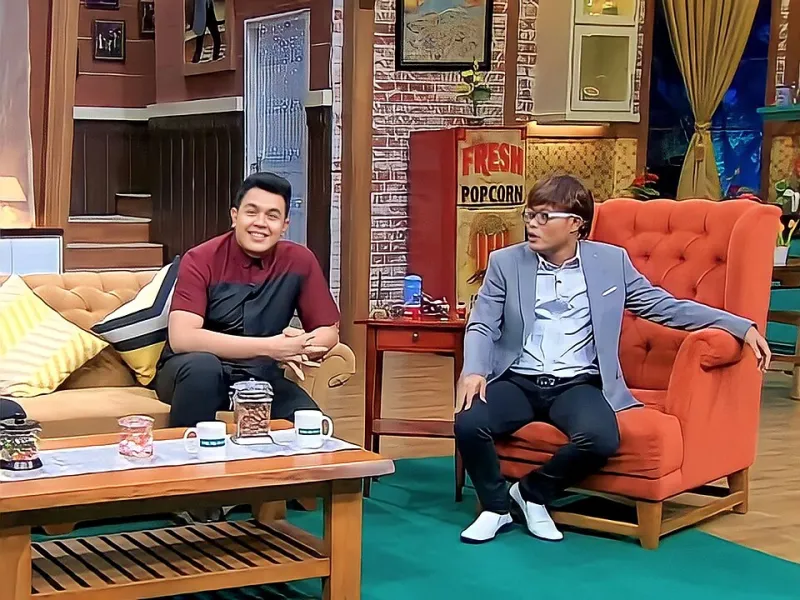
Photo: Netmediatama, CC BY 3.0, via Wikimedia Commons
Some performers need a whole season to earn your affection. Miori Takeda seems to need about ninety seconds.
If you've spent any time on fan channels or reaction compilations — and let's be honest, if you're reading this site, you have — you've probably noticed a pattern in the comments under her American TV appearances. It's some version of "I'd never heard of her before this clip, and now I'm watching everything she's ever been in." That's not luck. That's craft.
So we went back through her early English-language appearances, timestamp in hand, and broke down what actually happens in those crucial opening moments. Call it the Takeda playbook.
Minute One: The Entrance That Refuses to Be a Production
Most guests walk out with a wave, a blow kiss, maybe a spin. Miori's signature move in her earliest stateside appearances was almost aggressively unglamorous — a quick, genuine laugh at herself as she sat down, often before the host even finished the introduction.
Body language experts we spoke to point out why this lands so well. "A self-directed laugh in the first moments signals comfort without arrogance," one Los Angeles-based behavioral consultant told us. "It tells the audience, 'I'm not here to impress you. I'm here to have a good time with you.' That's instantly disarming."
Compare that to the standard celebrity entrance, which is essentially a three-second advertisement for yourself. Miori's version is a handshake instead of a billboard.
Minute Two: The First Joke Goes at Her, Not the Host
Here's a pattern that shows up again and again in her early variety segments: the first humor of the interview is almost always self-deprecating, and it's usually about the language barrier, jet lag, or some small mishap nobody else would even mention.
In one early morning-show appearance, she opened by apologizing — cheerfully — for having rehearsed her answers in the hotel elevator, then proceeded to deliver an answer that was clearly not rehearsed at all. The studio loved it. The clip ended up in roughly a thousand YouTube compilations.
The technique here is subtle. By making herself the punchline before anyone else can, she removes any tension in the room. The host relaxes. The audience relaxes. And suddenly everyone's rooting for her.
Minute Three: The Specific Detail
This is the move that separates her from every generic charming guest. Somewhere in the first few minutes, Miori drops a detail so specific and unforced that it feels like eavesdropping on a real conversation rather than a promo tour talking point.
Not "I love American food" — but a story about a particular diner pancake that defeated her in a battle she hadn't expected. Not "the fans have been so welcoming" — but the fan who taught her a piece of Midwest slang she then used incorrectly for the rest of the interview, on purpose.
Writers and interview coaches have a term for this: texture. Specificity reads as honesty, and honesty reads as trustworthiness, and trustworthiness — within three minutes — reads as likability. It's a chain reaction, and she triggers it faster than almost anyone working right now.
What the Compilations Tell Us
Fan-made "first impression" reaction videos are a surprisingly good dataset for this stuff. Scroll through the ones featuring Miori's early US appearances and you'll see the same beats recur:
- Reactions to her entrance skew overwhelmingly positive within seconds — usually comments about her energy being "warm" rather than "hyped."
- Viewers consistently single out a moment of humility, not a joke, as the instant they were won over.
- The most replayed moments are almost always the small, unscripted ones — a mispronounced word played for a laugh, an honest pause before answering.
That last point matters. The most shared moments aren't the polished ones. They're the human ones.
Why It Works on American Audiences Specifically
There's a cultural component here worth naming. American talk shows reward guests who can improvise, who don't take themselves too seriously, and who treat the host as a scene partner rather than an interrogator. Those aren't universal entertainment values — they're specific ones.
Miori's instinct for them is remarkable given that her formative training came from a completely different industry. But the through-line of her whole career, as longtime fans know, has always been connection over performance. The American format just happens to reward exactly that.
The Takeaway
You could call what Miori Takeda does in her first ten minutes "charisma" and leave it there. But watching the tape closely, it's clearly something more deliberate than that — a sequence of small choices, each one lowering the audience's defenses a little further, until by minute ten the room feels like it's known her for years.
Charisma is a gift. This is a skill. And skills, unlike gifts, can be appreciated.
Go rewatch any of her early appearances with this checklist in mind. You'll never see the couch the same way again.