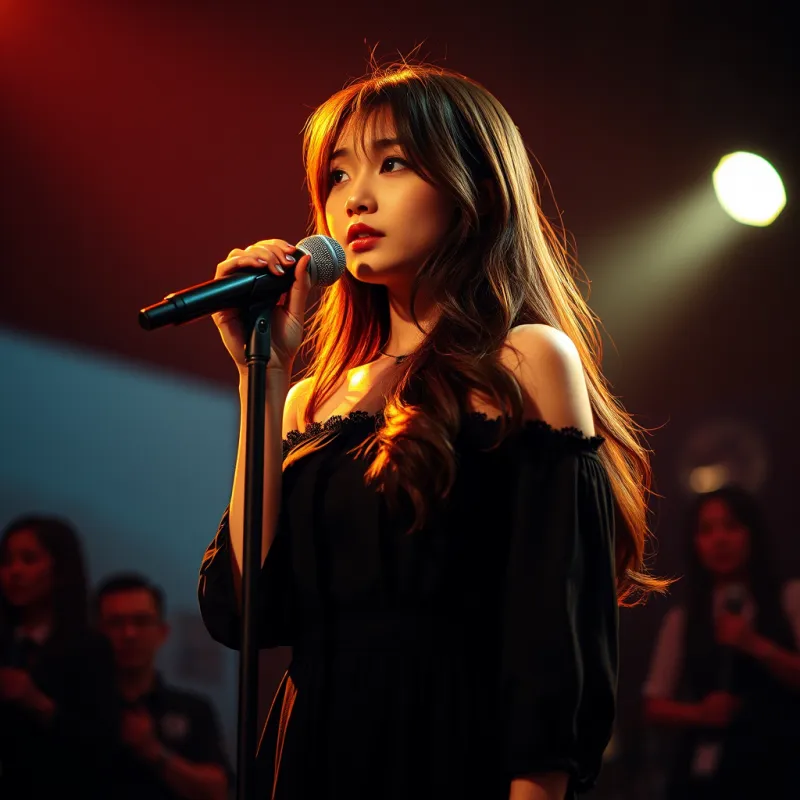
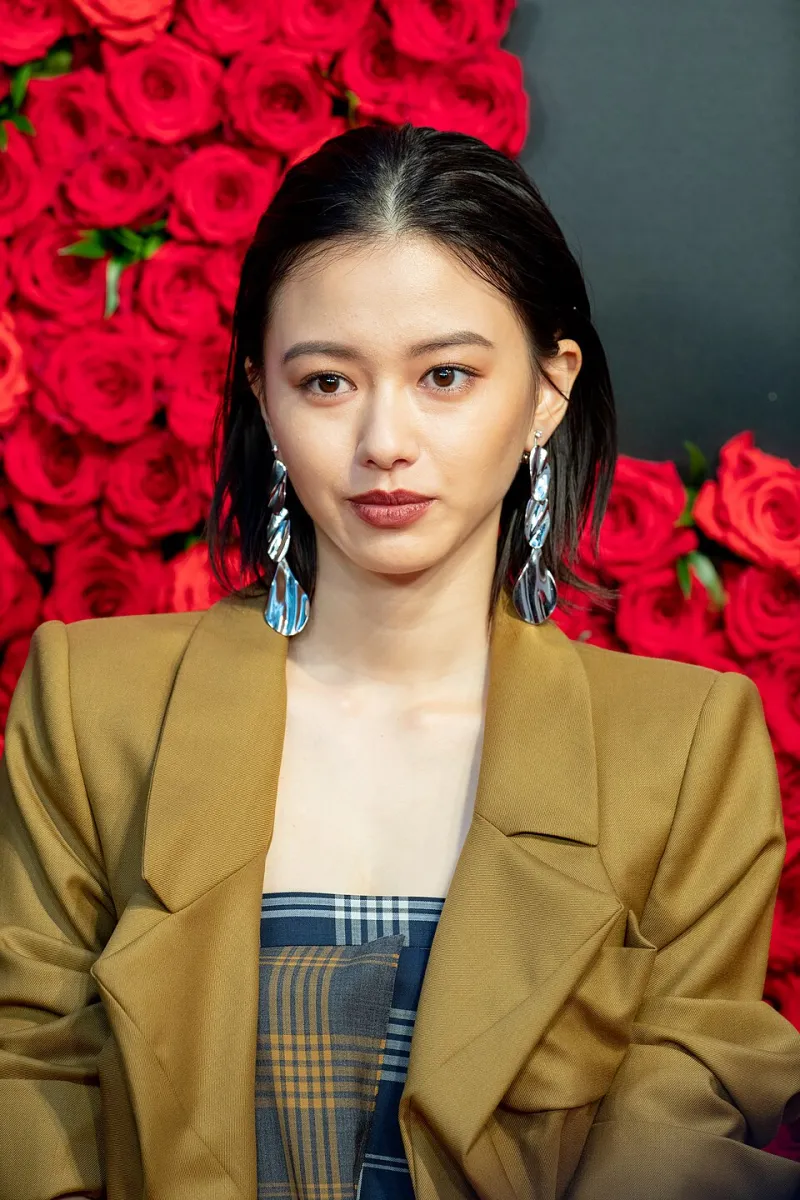
From the Practice Room to the Stage: The Relentless Drive Behind Miori Takeda's Multi-Talent Mastery
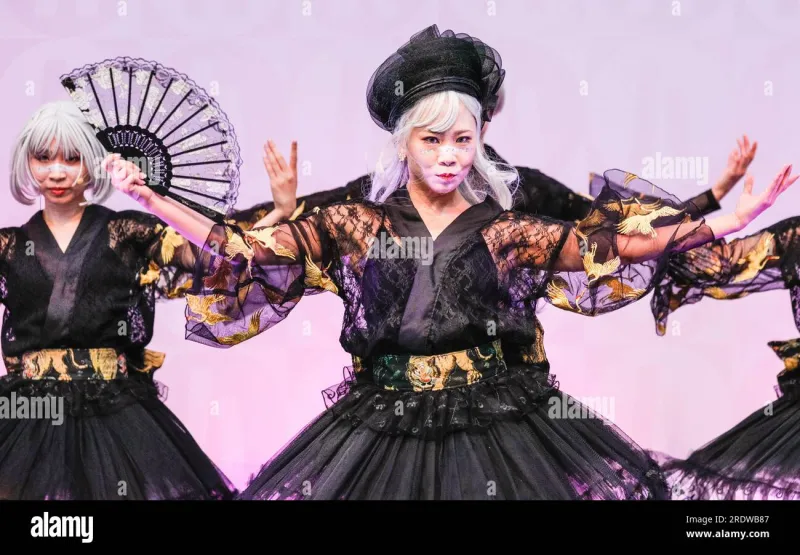
Photo: Japanese female entertainer rehearsing on stage spotlight performance, via c8.alamy.com
There's a version of the entertainment industry story we love to tell in America — the overnight success, the one viral moment that changes everything. Miori Takeda's journey is a different kind of story. It's quieter, more deliberate, and honestly, a lot more interesting. Because when you look at where she is now — comfortable in front of a camera whether she's singing, acting, or holding down a hosting gig — you start to realize that kind of range doesn't just happen. It gets built.
So how exactly did she get here? Let's get into it.
Starting with the Foundation: Music as the First Language
For a lot of entertainers who end up crossing over into multiple fields, there's usually one discipline that comes first — the thing that shapes how they approach everything else. For Miori, that foundation is music. Her early training in vocal performance wasn't just about learning to hit notes; it was about understanding how to communicate emotion under pressure, how to connect with an audience when the stakes are high.
Vocal training at a serious level is physically and mentally demanding in ways that don't always get talked about in fan coverage. You're developing breath control, stage presence, and emotional discipline all at the same time. For Miori, that process seems to have installed something important: the ability to stay grounded when the spotlight is on. That composure shows up across every medium she's worked in since.
What's also worth noting is that her musical background gave her a strong sense of rhythm and timing — skills that translate surprisingly well into both acting and hosting. Knowing when to pause, when to push, when to let a moment breathe. That's music training showing up in unexpected places.
The Pivot to Acting: Learning to Listen
Moving from music performance into acting is a transition that trips up a lot of artists. The instinct in music is often to project, to fill the space. Acting — especially on screen — asks for something almost opposite. It asks you to receive, to react, to make the other person in the scene feel like the most important thing in the room.
Miori's work in acting showed early signs of someone who understood that distinction. Rather than relying on the charisma that already worked for her in music contexts, she leaned into the craft side of performance. That kind of intentionality is something acting coaches and directors tend to notice right away. It signals that someone isn't just checking a box on their career to-do list — they actually want to be good at this.
The roles she's taken on have varied in tone and genre, which is also telling. Playing it safe with similar characters is a common trap for entertainers branching into acting. Choosing range over comfort is harder, but it's how you actually grow.
Hosting: The Discipline That Ties Everything Together
If music is about emotional expression and acting is about empathy and presence, then hosting is where both of those things get stress-tested in real time. There's no second take in a live hosting environment. You have to read the room, manage energy, keep things moving, and make everyone around you — guests, crew, audience — feel at ease. It's a skill set that looks effortless when someone is good at it, which is exactly why people underestimate how hard it is.
Miori's comfort in hosting contexts says a lot about her overall development as a performer. The ability to be genuinely spontaneous while still serving the structure of a show is something that takes years to develop. You can see it in the way she handles unexpected moments — there's no panic, no stiffness. Just adaptability.
For American audiences who might be newer to her work, the hosting side of her career is actually a great entry point. It's where you get to see her personality most directly, unfiltered by a scripted role or a performance arrangement.
The Work Ethic Behind the Versatility
Here's the part that doesn't get glamorized enough: this level of versatility requires an almost uncomfortable amount of repetition. Learning a new discipline as a professional — not as a hobbyist, but at a level where you're expected to perform it in front of audiences and critics — means doing the unglamorous work over and over again.
People who have worked with Miori in various capacities have pointed to her preparation as something that stands out. She doesn't walk into a new project assuming her existing skills will carry her through. She does the homework. She asks questions. She puts in the hours before the cameras are on.
That approach is more common among long-term, sustainable careers than it is among flash-in-the-pan moments. And it's part of why her trajectory feels different from entertainers who spread themselves thin without actually going deep in any one area. Miori goes deep. She just happens to do it across multiple disciplines.
What This Means for Her Future
The most exciting thing about looking at Miori Takeda's career through the lens of her multi-discipline development is that it suggests she's nowhere near the ceiling. Entertainers who are genuinely curious about craft — who approach new skills as learners rather than as established stars doing a favor — tend to keep growing in ways that surprise people.
For fans in the US who are watching her career unfold from this side of the Pacific, there's something genuinely compelling about following an artist who is still clearly in the process of becoming. Not in a rough, unpolished way — she's already excellent at what she does — but in the way that the best performers always seem to have one more level they're working toward.
That's the thing about watching someone who takes the practice room as seriously as the stage. You never really know what they're going to show you next.