Dressed for the World: How Miori Takeda's Fashion Evolution Tells the Story of Her Rise
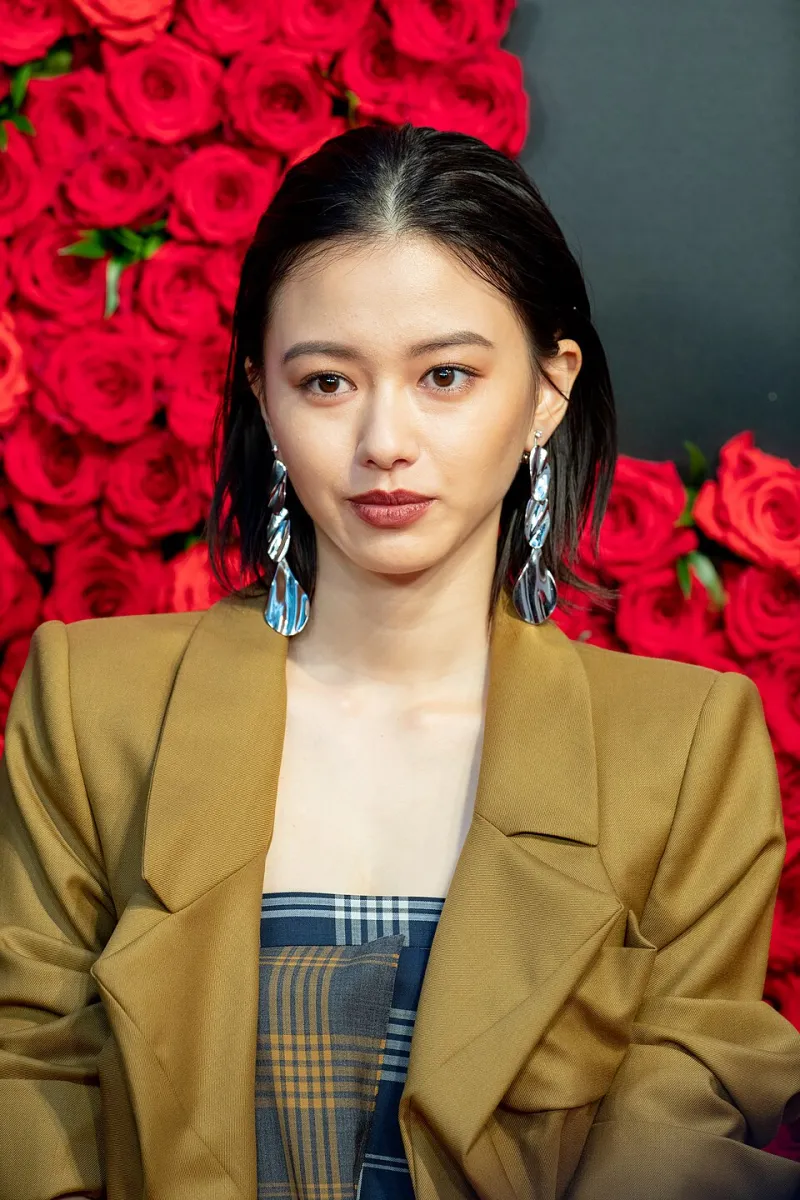
Photo: Dick Thomas Johnson from Tokyo, Japan, CC BY 2.0, via Wikimedia Commons
Fashion and fame have always had a complicated relationship. Sometimes the clothes are just clothes. But sometimes — especially for entertainers navigating multiple cultural markets — what you wear is doing a lot of heavy lifting. It's communicating who you are before you say a single word, setting expectations, signaling ambitions.
For Miori Takeda, fashion has quietly become one of the most interesting chapters of her public story. Her style has shifted in ways that mirror her career trajectory almost perfectly, and once you start paying attention to it, you can't really stop. So we put together a look at some of the most defining moments in her fashion evolution — and what each one actually tells us about where she was, and where she's going.
1. The Early Career Aesthetic: Polished but Playful
Early in her career, Miori's style leaned into something very recognizable in Japanese pop entertainment — a mix of high polish and youthful energy. Think structured silhouettes with unexpected pops of color, coordinated stage looks that felt cohesive without being overly corporate. It was a smart approach for someone building a fanbase: accessible enough to feel relatable, put-together enough to signal professionalism.
What's interesting in retrospect is how much personality was already showing up in the details. The accessories, the shoe choices, the way she mixed textures — there was clearly someone with an actual point of view making these decisions, even when the overall look was still operating within a fairly defined lane.
For American audiences discovering her work from this period, it reads as classic J-pop visual language. But looked at in the context of what came later, you can see the seeds of something more individual starting to push through.
2. The Transitional Looks: When the Aesthetic Started Shifting
There's usually a period in an entertainer's fashion evolution where things get a little unpredictable — in a good way. For Miori, that transitional phase brought looks that were harder to categorize. She started experimenting with silhouettes that felt more European in influence, playing with proportions that weren't typical for her earlier image.
This is also the period where her red carpet appearances started getting more attention. Rather than playing it safe with conventional formalwear, she made choices that generated conversation — a structured jacket worn in an unexpected context, a color palette that felt deliberately off-center. In the fashion world, that kind of risk-taking is how you start getting on people's radar.
For fans watching this shift in real time, it felt like watching someone figure out that they had more creative latitude than they'd been using. And once you realize that, it's hard to go back.
3. The American Market Moment: Dressing for a New Audience
When Miori started making moves toward the US market more deliberately, her fashion choices reflected that shift in a really specific way. There was a visible pull toward looks that could translate across cultural contexts — pieces that felt globally fluent rather than anchored to any single aesthetic tradition.
This is genuinely tricky to pull off. The temptation for international entertainers entering the American market is to overcorrect — to dress in a way that feels like a costume of Western style rather than an authentic evolution. Miori avoided that trap. Instead, her looks during this period felt like a conversation between her existing aesthetic sensibility and a broader, more internationally-minded visual language.
That balance is something American audiences, whether they consciously register it or not, tend to respond to. There's a difference between an artist who looks like they're trying to fit in and one who looks like they belong everywhere. Miori started landing firmly in the second category.
4. Signature Pieces and the Power of Repetition
One of the underrated aspects of Miori's style evolution is her use of signature elements — recurring motifs or silhouettes that show up across different looks and contexts. This is a technique that the most recognizable style icons use intentionally. It creates visual continuity, making your overall aesthetic feel cohesive even when individual looks vary widely.
For Miori, this has shown up in things like her approach to outerwear, her consistent preference for certain proportional relationships between pieces, and a recurring interest in textural contrast. These aren't accidents. They're the building blocks of a personal style language that fans and fashion observers can start to recognize and anticipate.
In terms of building a global profile, this kind of visual consistency matters more than people give it credit for. It's what separates a public figure with a wardrobe from a public figure with a style.
5. The Current Era: Intentional, Global, and Unmistakably Her
Where Miori's fashion sits right now is probably the most interesting it's ever been. The looks she's been spotted in recently suggest someone who has fully internalized the lessons of every previous phase and is now operating with real confidence and clarity.
There's a directness to the current aesthetic — less experimentation for its own sake, more commitment to a specific vision. The pieces feel chosen rather than assembled. And there's a cultural fluency to the references she's drawing on that positions her not just as a Japanese entertainer making inroads in America, but as a genuinely global figure whose style doesn't need to be translated for any particular audience.
For American fans especially, this current era is exciting to watch. It feels like the fashion is keeping pace with everything else happening in her career — the expanding platform, the growing international recognition, the sense that she's building something with real staying power.
Why It All Matters
It might be tempting to treat celebrity fashion as surface-level stuff — fun to look at, not much to analyze. But for entertainers like Miori Takeda, who are actively building a brand across cultural and geographic boundaries, style is strategy. Every look is a communication, and the cumulative effect of those communications over a career is a visual autobiography.
Looking back at her fashion evolution from this vantage point, what you see is an artist who has been paying attention — to the industry, to her audience, to herself. That kind of self-awareness tends to show up in the work too. And that's probably the most interesting thing about following Miori Takeda's style journey: it keeps pointing back to the person wearing the clothes.