By the Numbers: The Quiet Ways Miori Takeda Is Reshaping American Pop Culture
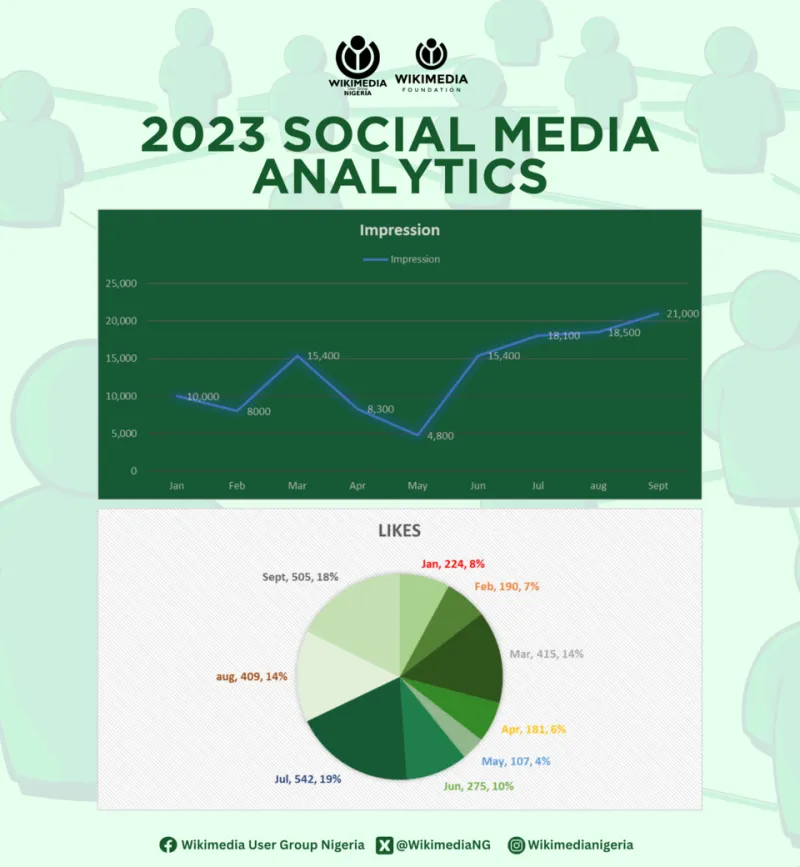
Photo: Olaniyan Olushola, CC BY-SA 4.0, via Wikimedia Commons
Influence is a funny thing. Sometimes it announces itself loudly — a viral moment, a chart debut, a magazine cover. But some of the most durable cultural shifts happen quietly, through accumulated data points and slow-building trend lines that only become obvious in hindsight. Miori Takeda's impact on American entertainment is starting to look a lot like the second kind.
Let's get into the specifics.
1. Streaming Numbers That Tell a Story
Streaming data is one of the clearest windows into how an international artist is actually landing with American listeners — not just the ones who already know who they are, but new ears discovering them through playlists and algorithm recommendations.
Miori's streaming trajectory in the US has followed a pattern that music industry analysts often associate with artists who have genuine staying power: slow initial growth, then a series of sharp spikes tied to specific moments (a viral clip, a media mention, a high-profile collaboration), followed by a retention rate that holds up rather than dropping off. That last part is key. A lot of international acts get a viral bump and then lose most of those new listeners within a few weeks. Holding onto them is the hard part.
The fact that Miori's US listener numbers have been trending steadily upward — rather than spiking and crashing — suggests something meaningful is happening. People are finding her and sticking around.
2. The Algorithm Effect
Here's something that doesn't get talked about enough: when an artist starts performing well with a new demographic on streaming platforms, the algorithm doesn't just recommend them more — it starts using them as a reference point for other recommendations. Essentially, Miori is becoming part of the taste graph that platforms use to connect American listeners to Japanese and broader Asian pop music.
This has a compounding effect. Her presence in US recommendation queues is helping normalize Japanese-language music in spaces where it might have felt niche or inaccessible just a few years ago. She's not just benefiting from algorithm placement — she's actively shaping it for artists who come after her.
3. Fashion Searches and the "Miori Look"
This one is harder to quantify precisely, but the signals are there. Following high-visibility appearances and social media moments, there are consistent spikes in searches for specific aesthetic elements associated with Miori's style — particular silhouettes, styling approaches, and the kind of effortless blend of Japanese and Western fashion sensibilities that she tends to embody.
American fashion audiences, especially the younger demographic that drives trend cycles on platforms like TikTok and Pinterest, have been increasingly drawn to J-fashion influences. Miori sits at an interesting intersection: she's not purely representing one aesthetic tradition, but rather a hybrid approach that feels fresh and accessible to someone who didn't grow up with Japanese fashion culture. That accessibility is part of what makes her a trend driver rather than just a trend follower.
4. The "Discovery Pipeline" for International Artists
One of Miori's most tangible impacts on American entertainment is what you might call the discovery pipeline effect. When an international artist breaks through with US audiences in a meaningful way, they don't just open doors for themselves — they create a pathway that other artists can follow.
Several international artists — particularly from Japan and broader East Asia — have cited the crossover strategies employed by artists like Miori as direct inspiration for their own US market approaches. The specific playbook she's helped define: prioritize authentic social media engagement over polished press, lean into the bilingual identity rather than trying to hide it, and build community with American fans rather than just broadcasting content at them.
That's a real and replicable model, and seeing it work has encouraged other artists to try similar approaches. Miori didn't invent Japanese-to-US crossover ambitions, but she's helping refine the modern version of what that looks like.
5. Social Media Metrics Worth Noting
A few data points that stand out when you look at Miori's US-facing social performance:
- Engagement rate over follower count: Her engagement metrics tend to outperform accounts with significantly larger followings, which suggests a genuinely invested audience rather than passive followers.
- Comment quality: The nature of comments on her posts — detailed, personal, multilingual — indicates a fan community that's actively invested in her as a person, not just consuming content.
- Shareability: Her content gets reshared at higher rates than a lot of comparable accounts, which is the organic amplification that every brand dreams about but can't really manufacture.
Collectively, these numbers paint a picture of an artist who's building something durable rather than chasing short-term visibility.
6. Influencing How Americans Engage With Japanese Entertainment
Perhaps the most culturally significant part of the Miori effect is the way she's shifting American audience expectations around Japanese entertainment. For a long time, the US market had fairly rigid categories for how it processed Asian pop culture — anime, K-pop, martial arts films. Japanese music that didn't fit neatly into one of those boxes had a harder time finding an audience.
Miori's presence is helping complicate and expand those categories in a healthy way. Fans who found her through one interest have followed her into others — discovering Japanese music they wouldn't have encountered otherwise, engaging with Japanese cultural content they might have skipped. That kind of cultural bridge-building doesn't show up cleanly in a single data point, but it's one of the most meaningful things an artist can do.
The Bigger Picture
Numbers are useful, but they're always pointing at something bigger. In Miori Takeda's case, what the data is pointing at is an artist who's figured out how to be genuinely present in American culture — not as an imported curiosity, but as a real participant. That's rare. And if the trend lines hold, we're probably still in the early chapters of what her impact on this market is going to look like.